How Aluminium Louvers Improve Ventilation and Building Design in UAE
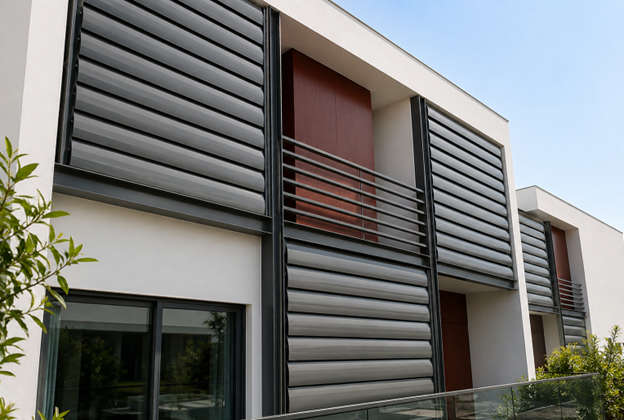
The modern constructions in the UAE have to maintain a balance between aesthetics and functionality, such as ventilation, sun protection, privacy level, and durability. Due to high temperatures, bright sunlight, dust, and serious requirements towards ventilation, architects and building owners are searching for both functional and attractive solutions.
Aluminium louvers become more popular in residential, industrial, and commercial buildings as well as administrative and hospitality buildings in Dubai, Sharjah, Abu Dhabi, and other cities of the UAE. They provide ventilation, sun protection, hiding of technical devices, and a good appearance of the building.
Choosing the right aluminium louver supplier in the UAE is essential to the design and procurement of reliable and durable louver systems, as a good supplier is responsible for making the right choice of louver types, materials, surface finishes, dimensions, and configurations depending on the needs of the project. Explore solutions from Light Metal, the aluminium louver suppliers in Dubai, Sharjah, and Abu Dhabi.What Are Aluminium Louvers?
What Are Aluminium Louvers?
Aluminium louvers are systems consisting of horizontal or angled blades made from aluminum that enable airflow regulation and protection from unwanted elements, such as sunshine, rain, and sand, depending on their specifications. They are commonly installed on:
- ● Building facades
- ● HVAC openings
- ● Air-intake and exhaust systems
- ● Mechanical rooms
- ● Parking facilities
- ● Commercial buildings
- ● Industrial facilities
- ● Residential developments
- ● Rooftop equipment areas
- ● Service and utility spaces
As aluminum is lightweight, anticorrosive, and has simple processing into different profiles, it is widely applied in both architectural and mechanical designs. Any verified Aluminium louver supplier in Abu Dhabi can create solutions for several projects, including commercial towers, villas, warehouses, hotels, and industrial constructions.
How Aluminium Louvers Improve Ventilation
The controlled airflow is one of the main purposes of any louver system. It is necessary to control the indoor air; the fresh air also has to be taken in in certain places and harmful air exhausted out from the rooms. Louvers are able to allow airflow through openings to ventilate buildings while protecting the interior and devices from the outside world.
1. Supporting Fresh Air Intake
Fresh air louvers are placed at air intake points to do the work of letting outside air inside the system. The design of the blades of the louvers can provide the appropriate free area and help them protect from the outside environmental factors. For example, louvered intakes can be important elements of HVAC systems for big local firms. However, to choose the correct louver, it is important to consider the real airflow and pressure drops over the external appearance of the accessories.
2. Improving Exhaust Airflow
Exhaust louvers are used to return air to the environment. Such systems can be found in kitchens and production areas. If the exhaust system is properly designed, it gives good air movement and improves HVAC performance. It is one of the reasons why contractors of buildings choose only reliable aluminum louvers suppliers in the UAE.
3. Supporting HVAC Equipment
Good ventilation is essential for HVAC equipment to function well. The outdoor mechanical equipment sometimes requires vent openings in the mechanical equipment rooms or places where the machines are kept. Louvers aid in opening these vents and shielding equipment at the same time. For instance, towers with architectural louvers can be installed to conceal rooftop mechanical equipment from sight while letting air flow through. The louver design needs to match the airflow requirements of the equipment manufacturer, as reducing airflow too much may have a negative impact on the equipment operation.
Aluminium Louvers and Solar Control
The UAE has a significant amount of sunshine throughout the year. Excessive sunshine leads to an increase in heat gain and subsequently increases the need for cooling needs, particularly in buildings. Sun-control louvers are the architectural type of the systems that help reduce direct sun exposure and create shaded areas.
1. Reducing Direct Sunlight
Horizontal and vertical louvers can block or reduce the direct impact of sunlight on the building, depending on building orientation and sun position. The use of these systems may be especially efficient for building constructions with large glazing parts. The design can be customized according to:
- ● Building orientation
- ● Window size
- ● Facade geometry
- ● Solar exposure
- ● Desired shading level
- ● Architectural appearance
2. Enhancing Indoor Comfort
External shading systems reduce the amount of direct solar heating coming through openings, thus helping to create a more comfortable room. They can also complement the building's existing glazing and HVAC systems. However, the performance of a louver system depends on its geometry, orientation, spacing, material, and installation. It should therefore be considered during the early design stage.
Aluminium Louvers Improve Building Appearance
Functionality is only one reason louvers are popular. They can also become an important architectural feature. Modern aluminium louvers can be manufactured in different profiles, dimensions, orientations, and finishes. Architects can use them to create:
- ● Contemporary facades
- ● Decorative screens
- ● Feature walls
- ● Mechanical equipment enclosures
- ● Shaded balconies
- ● Ventilation screens
- ● Rooftop screening
- ● Parking ventilation systems
This flexibility allows louvers to combine engineering requirements with architectural design. For projects in the UAE, an experienced aluminium louver supplier in Sharjah can help provide fabricated louver systems that complement the project's architectural style while meeting functional requirements.
Why Aluminium Is Suitable for UAE Buildings
Material selection is especially important in the UAE because buildings and exterior equipment can be exposed to high temperatures, dust, humidity, and coastal conditions. Aluminium offers several properties that make it suitable for many louver applications.
Lightweight Construction
Aluminium is considerably lighter than many alternative metals. This can simplify handling, fabrication, transportation, and installation.
Corrosion Resistance
Aluminium naturally forms a protective oxide layer. With appropriate alloy selection, surface treatment, finishing, and maintenance, aluminium can provide durable performance in many exterior environments. For buildings located near coastal areas, the appropriate material specification and finish should be selected according to the expected exposure.
Design Flexibility
Aluminium can be fabricated into different blade profiles and architectural configurations. This allows manufacturers to develop solutions for both mechanical ventilation and decorative applications.
Low Maintenance
When appropriately finished and maintained, aluminium louver systems can offer relatively low maintenance requirements. Routine inspection and cleaning remain important, especially in dusty environments where accumulated dirt can affect appearance and potentially influence airflow.
Different Types of Aluminium Louvers
Choosing the right louver depends on the purpose of the installation.
Decorative Louvers
Decorative louvers are primarily used to enhance the visual appearance of buildings while also providing functional benefits such as screening and shading. They are frequently incorporated into modern architectural facades.
Sun Control Louvers
These louvers are designed to reduce direct solar exposure. They can be installed horizontally or vertically depending on the building's orientation and shading requirements.
Exhaust Louvers
Exhaust louvers support the discharge of air from mechanical or occupied spaces. They are commonly used alongside ventilation and HVAC systems.
Gravity Louvers
Gravity louvers are designed to allow airflow in a preferred direction while helping prevent unwanted reverse airflow. They can be used in ventilation and exhaust applications where this type of airflow control is required.
Sand Trap Louvers
Sand trap louvers are particularly relevant to environments where airborne dust and sand can affect ventilation systems. Their design can help reduce the amount of sand entering an air-intake system when correctly selected and installed.
For UAE projects exposed to desert conditions, these systems can be an important consideration when designing mechanical ventilation infrastructure.
Aluminium Louvers for Commercial Buildings
Commercial buildings often need to combine architectural appearance with practical engineering requirements. Louvers can be used on office buildings, shopping centers, hotels, hospitals, schools, and mixed-use developments. They may provide:
- ● Facade shading
- ● Equipment screening
- ● Ventilation openings
- ● Privacy
- ● Decorative elements
- ● Mechanical-area screening
For large projects, it is beneficial to work with an aluminium louver supplier in Abu Dhabi or another experienced UAE supplier that can coordinate fabrication requirements with the project's architectural and mechanical specifications.
Aluminium Louvers for Industrial Applications
Industrial buildings often have more demanding ventilation requirements. Factories, warehouses, workshops, power facilities, utility buildings, and processing plants may require extensive ventilation openings and equipment screening. Louvers can be incorporated into the following:
- ● Mechanical rooms
- ● Generator rooms
- ● HVAC plant areas
- ● Electrical facilities
- ● Industrial ventilation systems
- ● Warehouse walls
- ● Equipment enclosures
The design should take into account airflow requirements, equipment heat loads, environmental exposure, acoustic considerations, and maintenance access.
Choosing the Right Aluminium Louver Supplier in UAE
The supplier you choose can have a significant impact on the quality and performance of the final installation. When comparing aluminium louver suppliers in the UAE, consider the following factors.
Manufacturing Capability
Look for a supplier with suitable fabrication capabilities and experience producing different louver profiles and configurations.
Customization
Every project has different dimensions and requirements. A supplier should be able to provide customized dimensions, blade arrangements, finishes, and configurations where necessary.
Material and Finish
Ask about aluminium grade, thickness, coating, anodizing, powder coating, and other available finishes. The appropriate specification depends on the location and intended application.
Technical Support
For HVAC-related applications, the supplier should understand the relationship between free area, airflow, pressure drop, blade design, and environmental conditions.
Project Experience
Experience with commercial, residential, industrial, and institutional projects can be valuable when selecting a supplier.
Installation and Coordination
Good coordination between the supplier, architect, contractor, HVAC consultant, and other project stakeholders helps ensure that the louver system fits correctly within the building design.
Why Local UAE Suppliers Can Be Advantageous
Working with a local supplier can make communication, project coordination, customization, and delivery easier. Whether the project is located in Dubai, Sharjah, Abu Dhabi, or another emirate, a supplier familiar with UAE construction requirements and environmental conditions, can help customers identify appropriate solutions.
An experienced aluminium louver supplier in Dubai can support projects in the emirate's commercial and residential construction market, while suppliers serving Sharjah and Abu Dhabi can support industrial, commercial, institutional, and infrastructure projects across those locations. The important consideration is not simply geographic location. It is whether the supplier has the manufacturing expertise and technical capability required for the specific project.
Maintaining Aluminium Louvers
Even durable aluminium louvers require regular maintenance. Dust and debris can accumulate on blades, especially in outdoor environments. Regular cleaning can help maintain the appearance of architectural louvers and prevent unnecessary buildup. Maintenance teams should periodically inspect:
- ● Louver blades
- ● Frames
- ● Fixings
- ● Coatings
- ● Sealants
- ● Moving components, where applicable
- ● Surrounding ventilation openings
Mechanical louvers should also be checked to ensure that airflow is not unnecessarily restricted. The required maintenance frequency depends on the environment, location, exposure, and application.
The Bottom Line
Aluminium louvers provide an effective combination of ventilation, solar control, equipment screening, and architectural design. Their versatility makes them suitable for a wide range of UAE projects, from commercial buildings and villas to industrial facilities and large-scale developments. When properly designed, louvers can support HVAC airflow, reduce direct solar exposure, conceal mechanical equipment, and enhance the overall appearance of a building.
Because UAE buildings face challenging environmental conditions, choosing appropriate materials, finishes, dimensions, and louver configurations is essential. Working with experienced aluminium louver suppliers in the UAE like Light Metal can help ensure that the selected system meets both architectural and functional requirements. With the right louver system and professional installation, aluminium louvers can become an integral part of a building's ventilation strategy and architectural identity.
Frequently Asked Questions
1. What are aluminium louvers used for in UAE buildings?
Aluminium louvers are used for ventilation, exhaust and air intake, solar shading, equipment screening, privacy, and architectural decoration. They can be installed on residential, commercial, industrial, hospitality, and institutional buildings.
2. Why are aluminium louvers suitable for the UAE climate?
Aluminium is lightweight, versatile, and naturally resistant to corrosion. With an appropriate alloy, protective finish, and maintenance program, it can perform effectively in many UAE outdoor environments. The specification should take into account local temperature, humidity, dust, and coastal exposure.
3. How do aluminium louvers improve ventilation?
Louvers provide controlled openings that allow air to enter or leave a building. Intake louvers can support fresh-air systems, while exhaust louvers allow stale or warm air to be discharged. The correct louver should be selected according to the required airflow and HVAC-system specifications.
4. How do I choose the right aluminium louver supplier in the UAE?
Consider the supplier's manufacturing capabilities, customization options, material quality, finishing methods, technical knowledge, project experience, delivery capability, and installation or after-sales support. For HVAC applications, also confirm that the supplier understands airflow and pressure-drop requirements.
5. Can aluminium louvers be customized for a building project?
Yes. Aluminium louvers can commonly be customized according to dimensions, blade profiles, orientation, spacing, finish, color, and application. Customization allows architects and engineers to integrate ventilation and shading requirements with the building's overall design.

